
Zimbabwe
Case Story I – IBJ Helps the Most Vulnerable Get the Help They Need

Tafadzwa Shoshore was a 17 year-old orphan abandoned by his family and plagued by serious mental health issues. As a result, he had never received proper supervision or consistent medication. In August 2010, he was charged with rape and faced the possibility of life imprisonment. In May 2011 he was granted bail for the rape charge but was then charged with unlawful entry and re-arrested.
Although prison guards observed that Tafadzwa suffered from a mental handicap, he did not receive any medical attention. Furthermore, he was mixed with the general prison population, exposing him to repeated abuse.
Tafadzwa spent over 3 months in pre-trial detention until, in August 2011, IBJ received his case. He had no awareness or understanding of the crimes with which he had been charged. Clearly unfit to stand trial due to his mental disability, IBJ Fellow Pamela applied for an examination of his mental fitness. She then applied for the Tafadzwa to receive treatment at a mental health facility.
In October 2011, after discussions with IBJ, the Attorney-General agreed to drop all charges due to the mental incapacity of the client. Thanks to IBJ’s intervention, Tafadzwa is now finally receiving proper treatment at a mental health facility.
Case Story II – A Young Man gets a Second Chance at Life
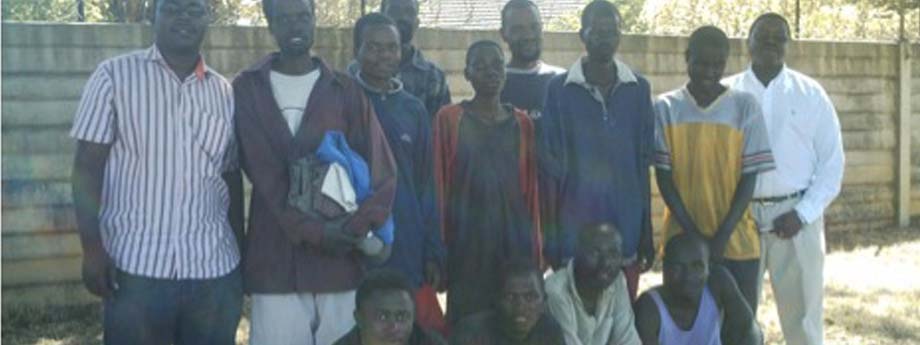
IBJ’s client Prosper Kunaka, a poor 19 year-old boy from rural Zimbabwe, relocated to Harare to live with his uncle and work in his uncle’s business. Problems quickly arose for Prosper when members of the uncle’s household rejected his presence in their home.
In October 2010, the boy was arrested and charged with two counts of rape of the 10 year-old stepdaughter of his uncle. These charges carry a maximum penalty of life imprisonment.
In April 2011, after Prosper had already spent 6 months in pre-trial detention, Pamela, an IBJ legal fellow discovered the case and obtained his release without fee. “Free bail” was a practice unheard of before IBJ’s intervention in Zimbabwe began.
At trial in May 2011, as a result of the IBJ Legal Fellow’s diligence, the court acquitted IBJ’s client of all charges.