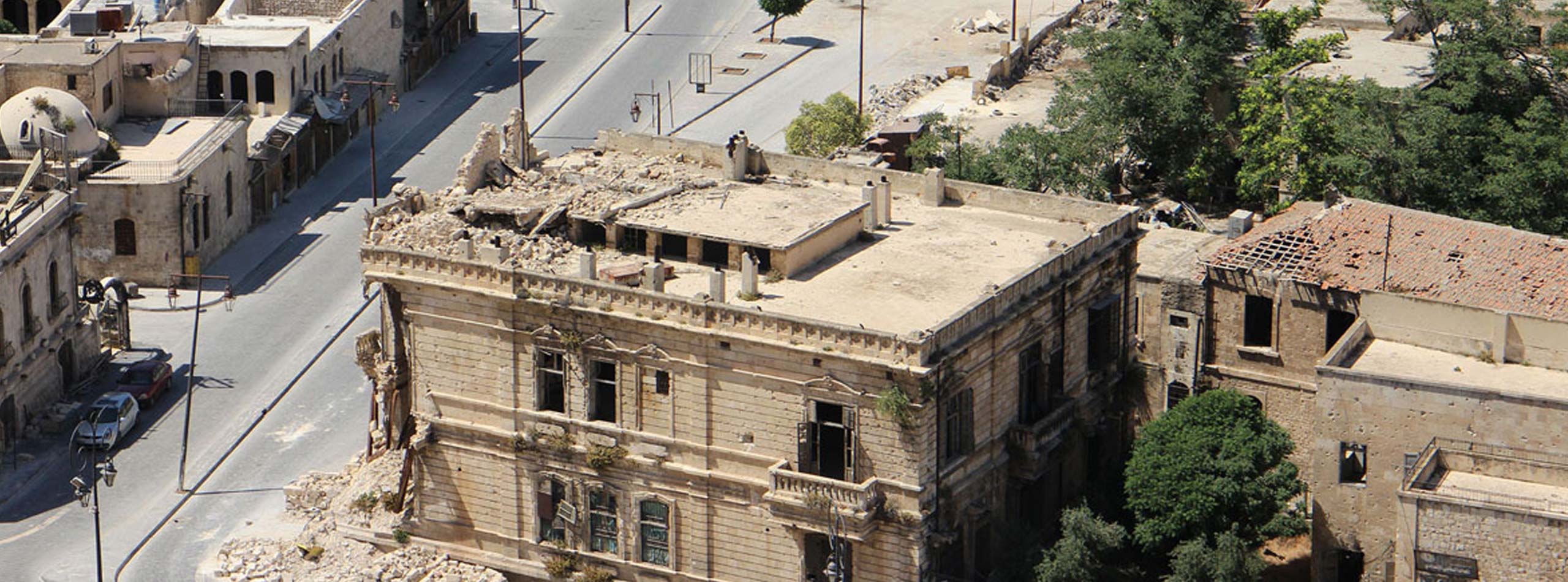
IBJ stands in solidarity with the courageous defenders we have worked alongside in the MENA region for many years. Even during the darkest days of conflict, these defenders upheld due process and fair trial rights, often at great personal risk and with a deep commitment to justice. Their work was a testament to their belief in a future where the area would be stable. Now that this day has arrived, we are more determined than ever to shoulder the immense responsibility of rebuilding a justice system rooted in fairness, transparency, and the protection of human rights for all.
As our defenders navigate personal challenges—searching for missing loved ones and reclaiming abandoned homes—they remain steadfast in their dedication to building a peaceful atmosphere. Together with IBJ, they are committed to establishing a robust foundation for the rule of law, ensuring that due process and fair trial rights are safeguarded. In these extraordinary times, we reaffirm our shared mission: to create an area where justice prevails, human rights are upheld, the rule of law is established and peace endures.
IBJ MENA was launched in 2017 with the establishment of a Defender Resource Center in Aleppo. In the context of war, access to justice is often made more difficult, and many regions of MENA are without systemic legal aid, leaving many vulnerable individuals deprived of legal protections. By strengthening the capacity of local lawyers to take on pro-bono legal cases, IBJ MENA helps to ensure that those accused of crimes are judged fairly in a court of law in MENA.
Area Background
Despite having domestic laws and being a signatory to several international treaties that protect the rights of all individuals, the situation in MENA remains volatile and unpredictable. IBJ is one of the only organizations in MENA that provides pro-bono legal aid and the only one that provides this service to vulnerable people quite early in the process i.e. at police stations. Despite the strong efforts of committed pro-bono lawyers throughout the area, they are in vast need of financial and legal resources to ensure sustained legal counsel, and MENA is in dire need of skilled lawyers trained on the protection of human rights.
Success Stories:
From Hardship to Hope
Omar (a pseudonym) is a 13-year-old boy from a displaced family originally from southern rural Aleppo. His family fled their home due to war and heavy bombardment in their area, eventually settling in a displacement camp.
Click here to read the rest of the story
Omar’s father, who works irregular daily labor without a stable income, struggled to support the family of nine. Facing extreme poverty, he was forced to allow Omar, the eldest child, to work at a car wash to help make ends meet. This added immense pressure on Omar, who took on responsibilities far beyond his years.. In the absence of stability and a suitable environment, Omar recently became involved with a group of boys who negatively influenced him, leading to his involvement in stealing a motorcycle from outside a house.
A few days later, the group was identified through surveillance cameras, and Omar was immediately detained on theft charges. He spent seven days in detention, while his family, unable to provide help, worried about his fate.
A neighbor of Omar’s family learned about his situation and informed lawyer Ahmad Al-Mousa, a member of IBJ team. The lawyer quickly took action, following up on the case in the appropriate court and providing Omar with the necessary legal support.
Thanks to the swift intervention of lawyer Ahmad Al-Mousa and the IBJ team, Omar was released after just seven days of detention. The court considered the harsh circumstances Omar and his family faced. IBJ team also offered advice and guidance to the family to help them create a better environment for Omar and prevent similar issues in the future.
Omar’s family faced significant challenges, including extreme poverty and the lack of reform centers to guide at-risk children. The family relied on their children’s work to earn a limited income, making it difficult for them to closely supervise the children.
Omar’s family expressed their deep gratitude to lawyer Ahmad Al-Mousa and IBJ team for their prompt efforts, thorough follow-up, and the support they provided, which helped secure Omar’s release and assist the family during this difficult time.
A Vulnerable Youth’s Struggle
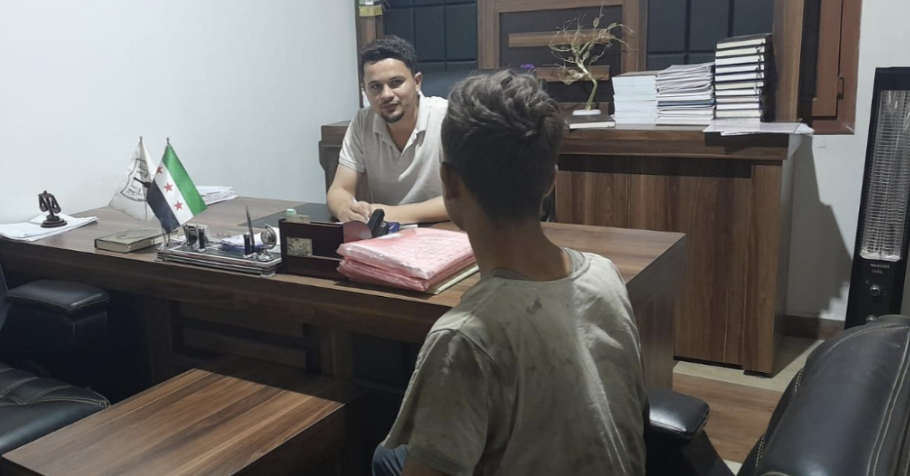
Malik (a pseudonym) is a 15-year-old boy from Aleppo who faced many challenges after being displaced by the war. His family fled to Turkey, but Malik was forcibly deported, leaving him alone in Azaz, a city in northern Aleppo Governorate.
Click here to read the rest of the story
His family stayed in Turkey, and without their support, Malik struggled with poverty and instability, Malik struggled to adapt to his new reality.
For three months, Malik lived in a hotel in Azaz. During this time, he was arrested after an investigation accused him of using drugs. When questioned, Malik admitted he had learned about drug use during the seven months he lived in Gaziantep, Turkey, before being deported. He was detained on charges of drug consumption.
A lawyer colleague referred Malik’s case to FABA’s Azaz office. Attorney Abdullah Al-Shawakh was appointed to provide legal representation for Malik. After thorough legal intervention and follow-up, Malik was released one month after his detention.
Malik’s challenges did not end with his release. Living without family or stable support, he faced poverty and displacement, which left him vulnerable to further risks. Recognizing these challenges, IBJ team and Attorney Al-Shawakh coordinated with Malik’s family in Turkey to explore solutions for reuniting him with his relatives and ensuring a safer future.
Malik’s family expressed their gratitude to Attorney Al-Shawakh and IBJ team for their dedication, which led to his release and ongoing efforts to address his needs.

Freeing Rehab
Rehab works as a teacher in NWS under the SIG’s Ministry of Education. Associating with the SIG poses a risk for her husband, who was in the regime’s custody in Damascus.
Click here to read the rest of the story
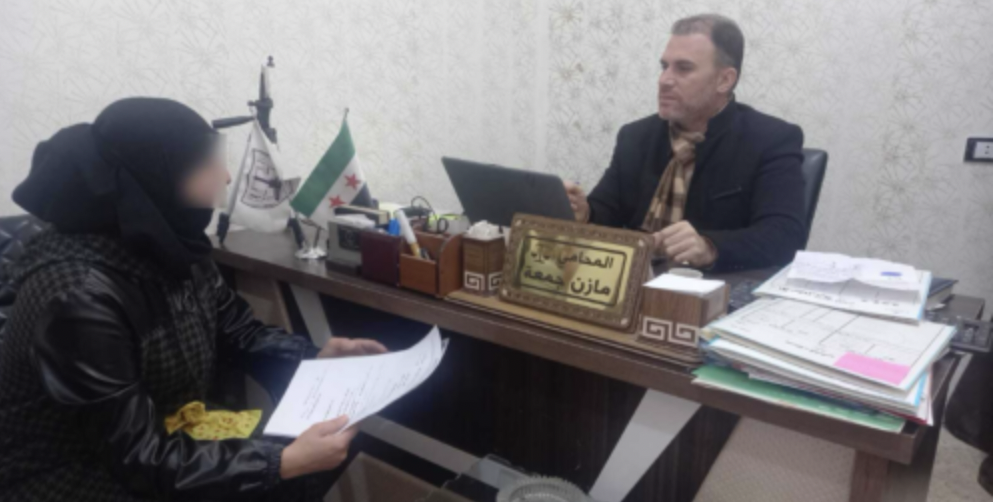
Rehab had used false identification documents to protect him. Rehab later discovered that her husband died in the regime’s detention. IBJ lawyer Mazen Jumaa took on Rehab’s case. Mazen argued before the court that Rehab using her real name would have exposed her husband to imminent risk of bodily harm when he was already in the regime’s detention. Rehab’s employment could be construed as treason by the regime, for which her husband could be punished. Convinced by the defense, the judge commuted Rehab’s sentence from a three-year-imprisonment to a 200-Turkish lira (roughly EUR 6) fine.
Standing up for Abbas
After losing his father, Abbas became the breadwinner for his family, despite being a child. While working on a car at the local repair shop, Abbas accidentally released the car jack without knowing his colleague was underneath, leading to him being injured.
Click here to read the rest of the story
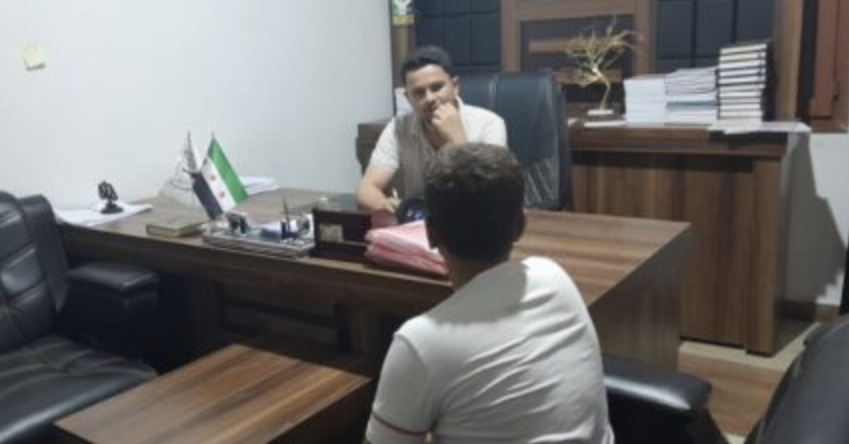
The police took Abbas into custody for two days. Two IBJ lawyers were able to represent Abbas and ensure due process. The lawyers asked for a medical opinion about the injury the plaintiff had suffered and proved no serious harm had occurred. Additionally, IBJ lawyers argued that Abbas, a minor, lacked criminal intent when the incident took place. The case was settled through reconciliation. IBJ’s early intervention minimized detention for Abbas, and returned him to his family.
Criminalized for “witchcraft”
In a displacement camp in Azaz, Riham (a pseudonym) lives under challenging conditions. Due to the displacement, financial hardship, and psychological trauma, she resorted to unconventional means to make a living.
Click here to read the rest of the story
Her most recent activity involved writing Hijabs (something like amulets) with Quranic verses for protection, which is considered a form of witchcraft and is illegal in NWS. This practice has become more common recently due to an increase in mental illnesses and psychological disorders coupled with the scarcity of psychosocial support and/or psychological treatment. The prohibitive cost of seeking such services from healthcare professionals and the social stigma associated with visiting such professionals led many people to seek sheikhs’ help.
Ignorance, poverty, camp overcrowding, and the high rates of unemployment lead some individuals to engage in witchcraft. People on the receiving end also suffer from extreme life conditions with some even experiencing psychological trauma due to bombing and air raids. These issues compounded create a sense of desperation for both sides, who are first and foremost victims of the war and extreme living conditions.
Riham, her companion, and a group of other women were detained. The others were released, but Riham remained in custody for three months. IBJ lawyer Nader Matrouh took her case and recognized Riham as a victim of poverty and displacement. She was unaware that her actions were illegal. Nader explained to the court Riham’s conditions and her good intentions to help other people, and he asked the court to release Riham on bail. After languishing in jail for three months, Riham was finally released.
Released on Bail
Lawyer Ahmad Rashid represented 17-year-old Hafsa who was accused of drug abuse and detained. Rashid conducted a detailed investigation and discovered that the girl, out of economic necessity, had been trying to support her family.
Click here to read the rest of the story
Unfortunately, she fell prey to dealers who exploited her situation by offering financial assistance with ulterior motives. Rashid argued in court that Hafsa was more a victim of her circumstances, including poverty, than a criminal. He suggested that instead of imprisonment, she should be given an opportunity for rehabilitation and a chance to pursue education for a better future. The judge, convinced by Rashid’s argument, decided to release the girl on bail, allowing her the possibility to start anew.
Impact in Numbers
- 4,7k+ people provided with legal representation
- 250+ lawyers trained
- 290+ justice officials trained through roundtables
- 824k+ people reached through rights awareness campaigns
- 1 Defender Resource Center
- 20 eLearning Modules created
- 22,800k+ persons provided legal advice through consultation
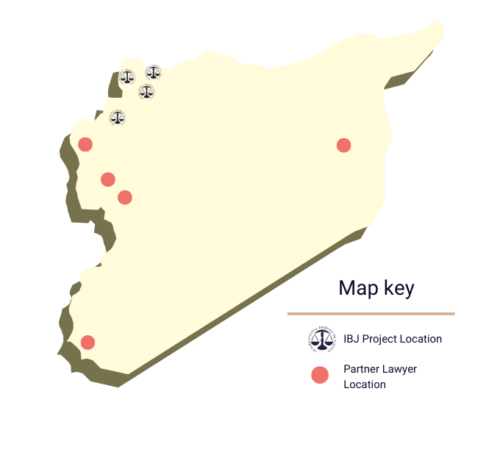
Map:
Defender Resources:
The Defender Manual (DM) is a comprehensive document that encompasses crucial areas within local and International law that any lawyer, legal practitioner, or human rights defender in the country should have knowledge of. That includes the basic information required of defense lawyers when representing clients before a criminal court. The DM reviews the country’s legal history and presents an overview of the legal system, as well as covering laws and justice system structures pertinent to criminal justice. It also discusses the rights of the accused and the fundamental international human rights principles, in addition to addressing key defender skills and guidance for detention officers in the area. This historic document is the first of its kind in the country and provides much-needed referencing resources for lawyers.
Timeline:
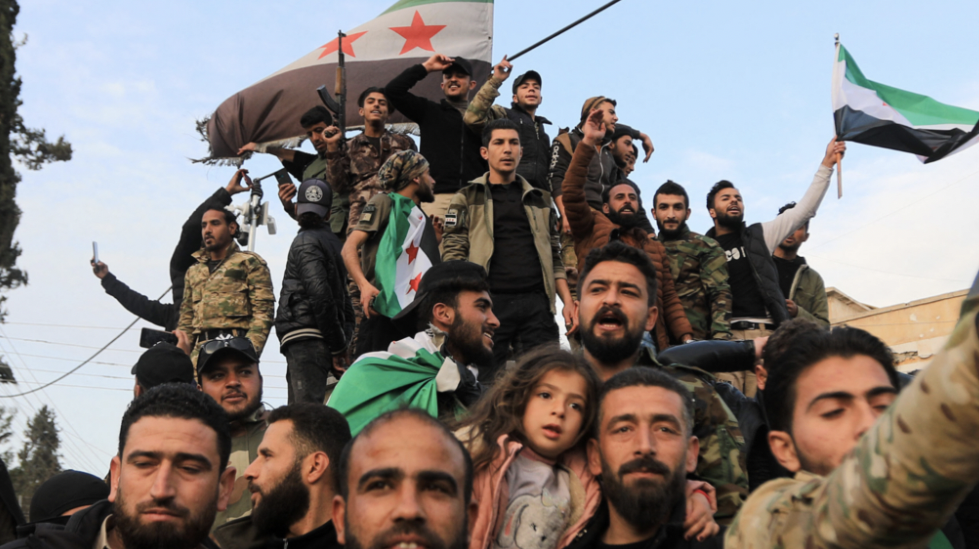
2011: Internal Armed Conflict
The internal uprising and upheaval started in July of 2011. It is multi-sided and several other countries have been involved.
2017: Launch of IBJ MENA
IBJ MENA was launched with the establishment of a Defender Resource Center in Aleppo.
2018: Breakthrough Roundtables
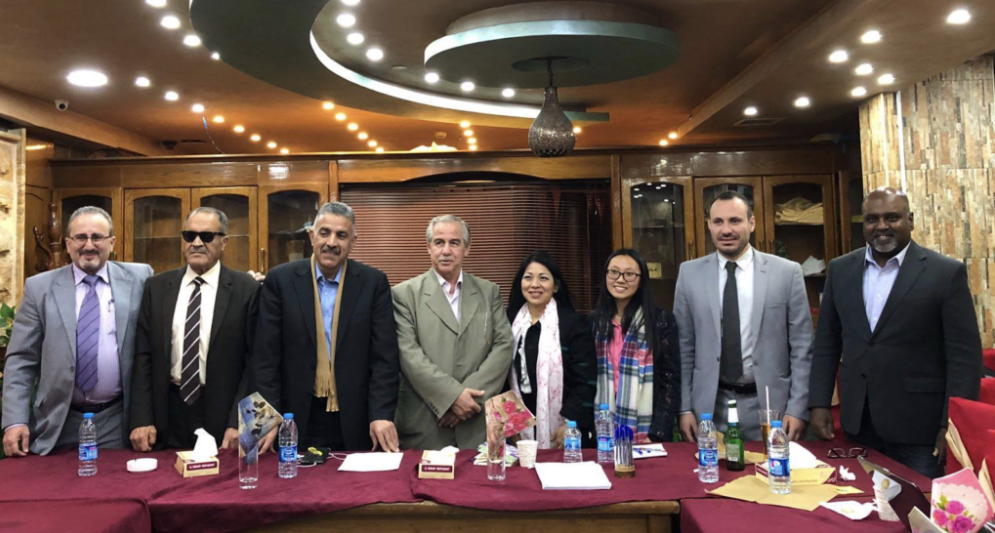
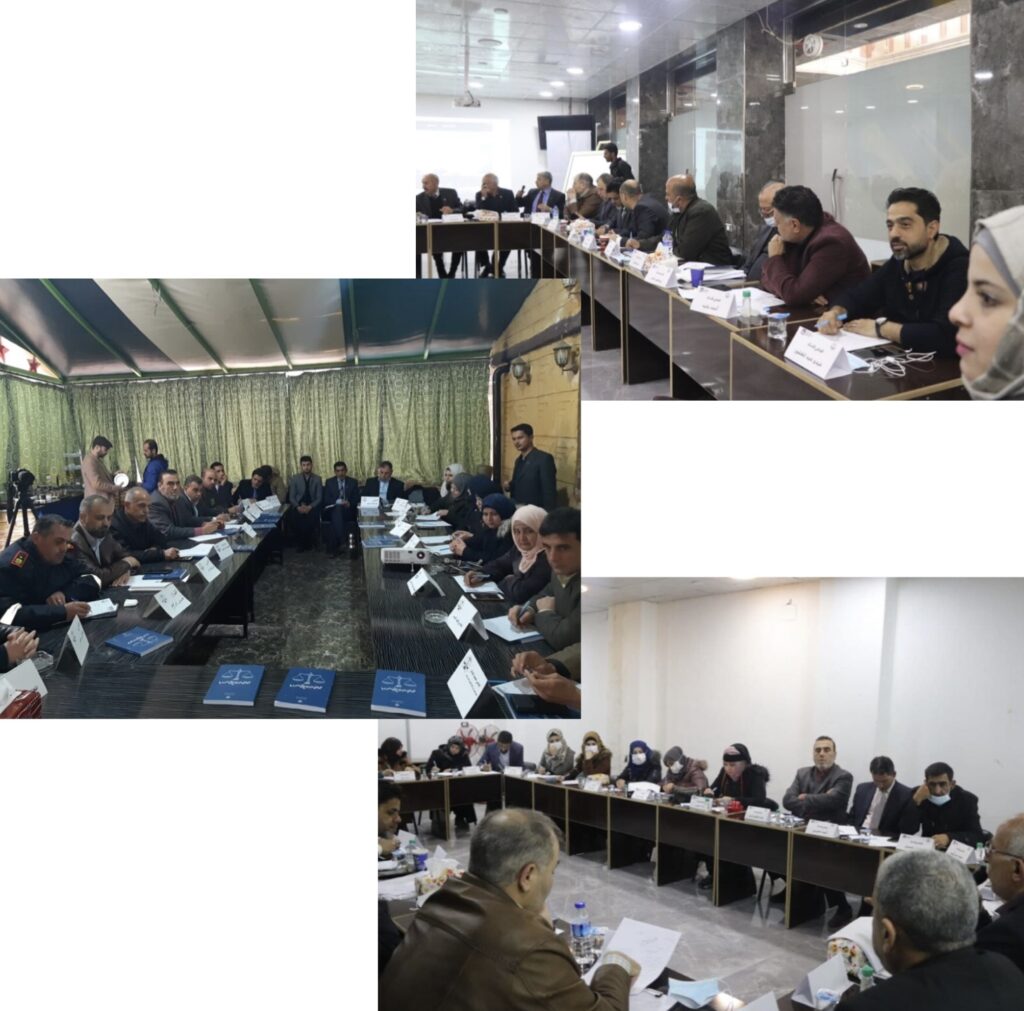
IBJ conducted two roundtables in Aleppo and Idlib, which brought together lawyers, judges, Free Police officers, members of the Aleppo Free Bar Association, prosecutors, the head of Judicial Inspection in the liberated areas, and many other justice sector stakeholders.
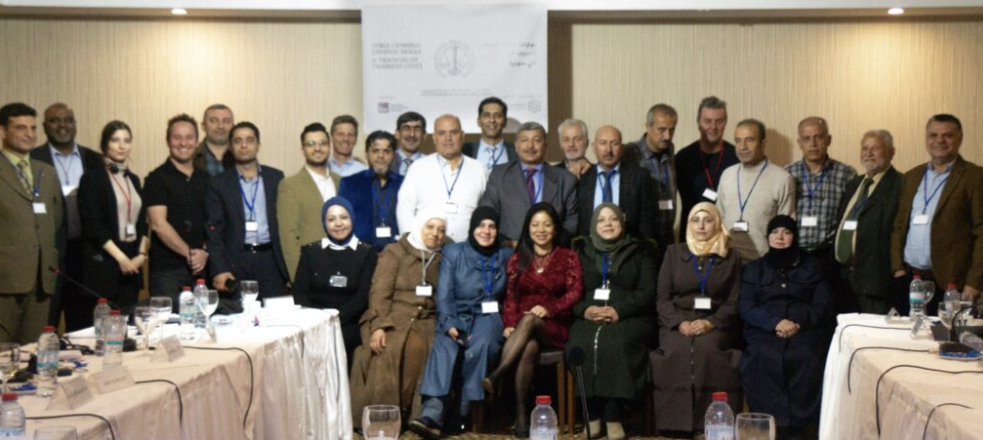
2019: First Training of Trainers for MENA Lawyers
There are no standardized high-quality training resources for MENA lawyers. IBJ’s training programs seek to bridge this gap, providing tailored support to lawyers in regions across the country.
2020: Changes for COVID-19
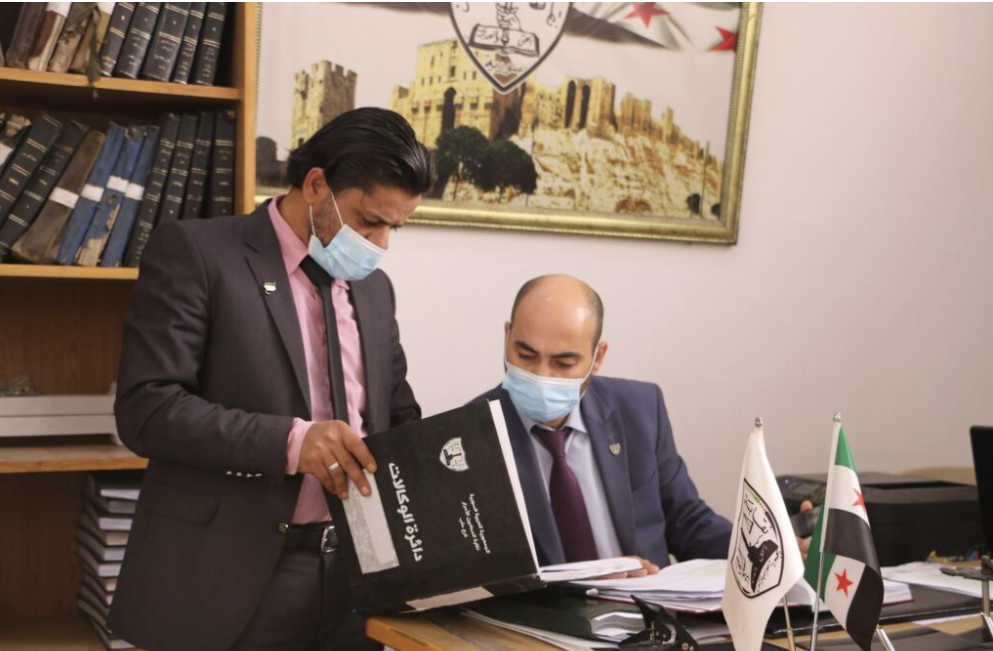
IBJ MENA lawyers and the Interim Minister of Justice formed a task force to keep police stations and prisons in check so as to prevent human rights violations.
2021: New recommendations developed
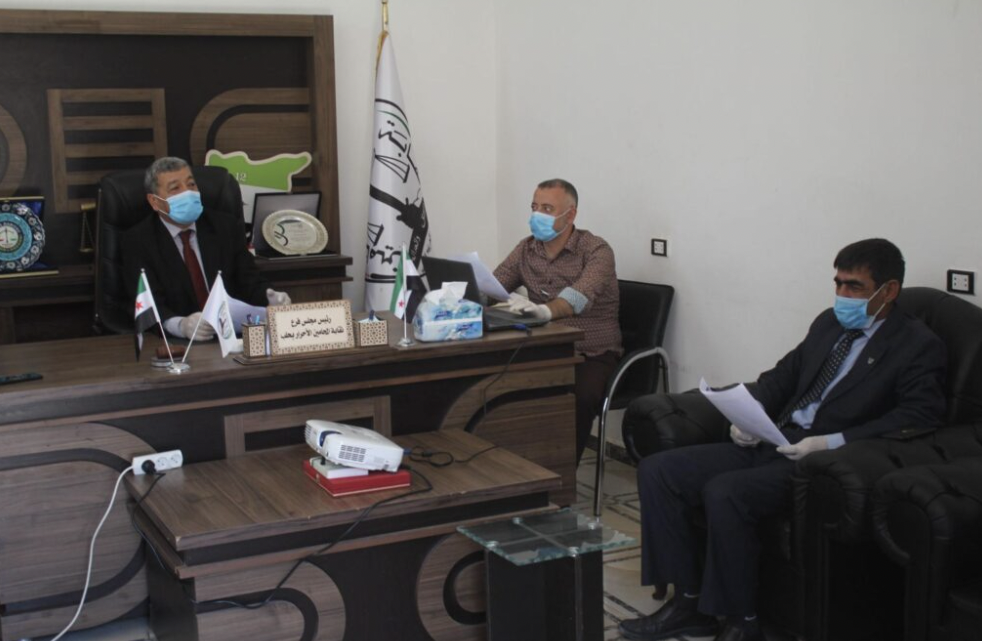
Ten lawyers met with the President of the Aleppo Bar Association to discuss legal representation for vulnerable populations. This meeting resulted in twelve recommendations to the Bar Association.
2023: Rights Awareness Campaign with Rozana Radio
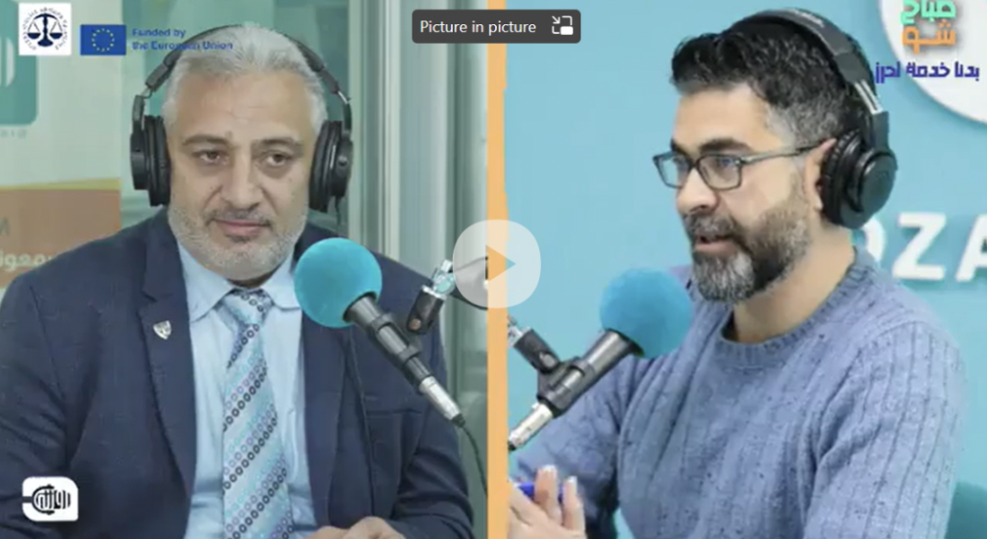
With generous support from the EU, IBJ collaborated with Rozana Radio to conduct a legal rights awareness campaign that reached over 820,000. 24 rights awareness sessions were hosted over the span of six months. A playlist of videos from the rights awareness program can be found at this link: https://www.facebook.com/watch/Rozana.fm/
2024: Justice Stakeholder Roundtables on Rights of Detainees
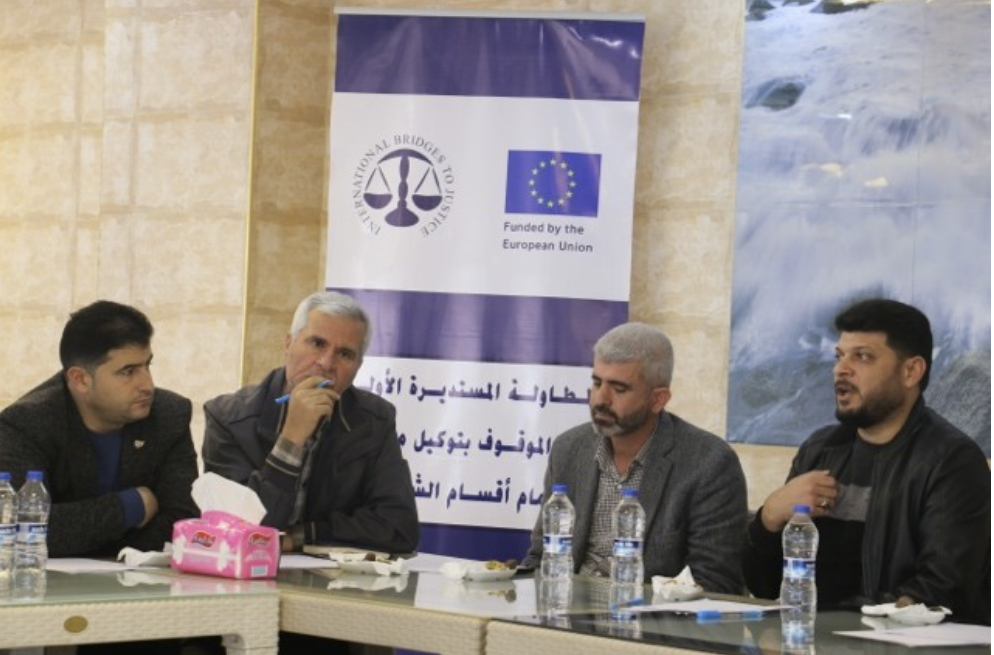
IBJ organized two significant roundtables in Azaz, Northwest Aleppo. The first focused on the right of detainees to appoint a lawyer at police stations, while the second addressed detainees’ access to medical care. These roundtables brought together key justice sector stakeholders, including police officers, judges, civil society organizations, and bar association members, to discuss critical justice system challenges and human rights issues.
IBJ’s Approach:
Supporting Women Defenders:
To promote justice for all segments and groups of the vulnerable people, especially women, it is essential to recognize that women’s rights defenders face unparalleled risks when practicing law. In 2017, when IBJ began working in MENA, there were very few active female lawyers representing criminal defendants. To combat this injustice, IBJ organized a network of female lawyers in that region. The organization focused on building the leadership skills of these women to prepare them to become future leaders. Thanks to our efforts, there are now twenty well-supported and well-trained women advocating on behalf of detainees in the area. As a result of IBJ’s emphasis on women’s leadership, three of these women were selected as judges in 2022. Additionally, IBJ conducted awareness campaigns on human rights and the challenges faced by women during times of crisis and war by disseminating vital information. Participants included members of civil society, heads of bar associations, human rights activists, social workers, and notably Abdullah Abdul Salam, the Minister of Justice in the Interim Government at the time.
COVID-19 Response:
Starting late in 2020, IBJ MENA began working closely with the Interim Minister of Justice to establish and convene a task force for tailored response to the COVID-19 pandemic within the criminal justice system. The Defender TaskForce takes on a number of pressing issues for vulnerable communities, including fighting police violations of multiple human rights in detention centers. Some of the programs established by the task force included a 24/7 duty schedule, allowing IBJ lawyers to provide emergency consultations and bail applications, sensibilization programs alongside Aleppo University, and coordinating with local judges to set special hearing schedules to shorten proceedings and increase bail grants.
Reforms through Justice Stakeholder Roundtables
IBJ MENA has built relationships with key justice stakeholders to promote systemic change and prevent human rights abuses. Over the past six years, IBJ has convened several roundtable discussions between various actors, including lawyers, judges, and legal advocates, to discuss areas for reform within the justice system. In 2018, IBJ held a crucial roundtable in Aleppo that focused on the right of the accused to silence, addressing the need for stronger legal protections against forced confessions. On September 28, 2019, we hosted another roundtable with the central theme of “the implementation of suspended sentences”, as a potential solution to the issue of overcrowding in the prison system – one of the most pressing issues in prisons. The second roundtable for 2019 was centered around the connection between housing, land, and property issues and criminal matters, such as how said laws have contributed to criminal activity including real estate mobbing, trespassing, and document forgery.Another justice roundtable followed, focusing on the Rehabilitation of Juvenile Delinquents, which convened justice stakeholders in Azaz in February 2020 to discuss the problem of juveniles being tried before adult courts and the lack of separation between juvenile and adult prisons. Beyond juvenile justice, local justice stakeholders convened in April 2020 via Zoom to discuss the simplification of legal proceedings in times of disasters. Throughout 2021, IBJ convened several women lawyers and local justice system stakeholders to devise a set of comprehensive recommendations about improving access to justice for women and children. In 2024, with the support of the EU, IBJ held two significant roundtables in Azaz. The first roundtable in January focused on the right of detainees to appoint a lawyer at police stations, a crucial discussion that highlighted the need for legal representation during initial detention, while the second was held in June and addressed the right of detainees to access medical care in detention facilities, emphasizing the urgent need for reforms to improve healthcare access in prisons.
Justice Stakeholder Capacity Building
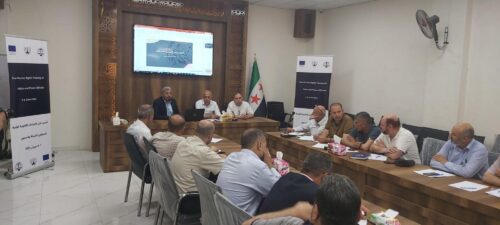
With support from the European Union, IBJ conducted Due Process Rights Training for police and prison officials in Azaz in June 2024. The training aimed to enhance understanding of detainee rights, legal procedures, and human rights standards. Key topics included detainee rights, separation procedures, and accountability. Experienced trainers led interactive sessions covering medical examinations, living conditions, and the appropriate use of force. Participants responded positively, expressing high satisfaction in concluding surveys. The training successfully strengthened participants’ knowledge and commitment to protecting detainee rights, emphasizing the need for continued professional development. IBJ also hosted a separate ‘training of trainers’ event, where lawyers were trained specifically on how to impart their knowledge and become good trainers for other lawyers. This was crucial for knowledge sharing and to build sustainability for the project and the built capacities of local lawyers.
Pro Bono Legal Support
IBJ believes that providing effective pro-bono legal services for those who lack the financial means is crucial amidst the volatile situation in the area, especially within the context of the protection of human rights. This is especially true for vulnerable groups such as children and women, who typically face compounded vulnerabilities. Despite the ongoing conflict, IBJ launched the project “Supporting and Strengthening the Capacities of Justice Sector Actors,” (SSJ) in November 2017. This aimed to promote the rule of law and protect the criminally accused through the facilitation of competent and effective representation of the accused that will reduce the risk of torture and other abuses of due process. IBJ implemented the three-pillared approach throughout the course of the project – providing legal protection and advice; building the capacities of lawyers; and engaging key criminal justice stakeholders. Throughout the course of the project, IBJ MENA has built a Community of Practice (a supportive lawyer network), and organized training for defense lawyers on trial advocacy skills. Throughout IBJ’s period of operation in MENA, we have provided 2,100k+individuals with legal protection, and 22,800k+ persons with legal advice through consultation.
 MOUs + Partnerships
IBJ MENA has partnered with multiple organizations across the area, including International Legal Assistance Consortium (ILAC), American Bar Association Role of Law Initiative (ABA ROLI), Aleppo Bar Association, Idlib Bar Association, Daraa Bar Association, Local Administration Councils Unit (LACU), and Local Development Organisation (LDO). Internationally, IBJ MENA is funded by the German Agency for International Cooperation (GIZ) on Housing, Land and Property, the Swedish International Development Cooperation Agency (Sida), and the European Union.
Contact us at internationalbridges@ibj.org
We are grateful to the EU for funding this programme.